

The OnStage Podcast Blog is a space dedicated to meaningful conversations across music, film, television, and the creative arts. Here, we share stories from musicians, actors, actresses, and entertainment professionals from around the world, offering insight into their journeys, challenges, and creative process. Each post expands on the conversations heard on the OnStage Podcast, giving readers a deeper look into the people shaping today’s entertainment landscape.
Welcome to On Stage Podcast, a place where music, film, theater, storytelling, and the creative arts come together. This is a space built to celebrate artists, performers, creators, and visionaries at every stage of their journey. Whether you are just beginning or have spent years in the spotlight, your story matters here.
Why the On Stage Podcast Format Matters for Artists and the Entertainment Community
In a world where content is often reduced to short clips and soundbites, the need for meaningful conversation has never been greater. The On Stage Podcast was built around the belief that artists deserve the time and space to speak openly about their work, their experiences, and the paths that brought them where they are today.
For musicians, actors, actresses, and creatives across entertainment, traditional interviews often focus only on promotion. While promotion has its place, it rarely captures the full picture of an artist’s journey. On Stage offers something different — a format that allows guests to be present, thoughtful, and real. Conversations are not rushed. Stories are not edited down to fit a narrative. Each guest is invited to share as much or as little as they feel comfortable with, creating an environment of trust and respect.
This format is especially powerful for creatives because it reflects how art is actually made. Music, performances, and stories do not come from shortcuts. They come from years of learning, experimenting, failing, rebuilding, and believing. On Stage gives voice to those realities, reminding audiences that behind every song, role, or project is a human being who worked to bring it to life.
The podcast is also deeply grateful for its guests — past, present, and future. Every artist who steps into this space contributes to a larger creative dialogue. Each conversation becomes part of a growing archive that documents not only careers, but the culture of creativity itself. The gratitude extends beyond individual episodes; it is an appreciation for the trust guests place in the platform and for the audiences who take the time to listen.
As the podcast continues to grow, the mission remains the same: to uplift, document, and honor the arts and those who dedicate their lives to them. Whether the guest is an established name or an emerging voice, On Stage treats every story with equal care. The goal is not to define success, but to explore what it means personally for each artist.
This is why the format works — because it values substance over noise, conversation over performance, and authenticity over image. It is a platform built not just for today, but as a lasting resource for artists and audiences alike.
Podcast Opportunities with On Stage
On Stage Podcast offers artists and entertainment professionals an opportunity to share their story in a professional, respectful, and creative environment. Guests are invited to participate in in-depth interviews that highlight their work, background, influences, and future goals. These conversations are ideal for musicians releasing new material, actors promoting current or upcoming projects, and creatives who want to connect more deeply with audiences.
The podcast also serves as a valuable promotional and archival tool. Episodes can be shared across social media, websites, and press materials, providing long-form content that reflects the guest’s voice and vision. For creators looking to expand their reach while maintaining authenticity, this format offers a meaningful alternative to traditional press appearances.
On Stage also collaborates with organizations, festivals, production companies, and creative brands that support the arts. These partnerships help amplify stories that deserve to be heard and strengthen the creative community as a whole.
Artists, entertainers, and creative professionals who are interested in being featured on the On Stage Podcast are encouraged to reach out and start the conversation. Sponsors and partners who believe in supporting the arts and meaningful storytelling are also welcome to connect. This platform continues to grow through collaboration, shared values, and a commitment to creativity.
To inquire about guest opportunities, partnerships, or sponsorships, please contact the On Stage Podcast team through the official website or social channels.
Why Conversations Still Matter in an Algorithm-Driven World
In an era where attention spans are shrinking, trends change overnight, and content is often reduced to seconds, there is something quietly powerful about sitting down and having a real conversation. The OnStage Podcast was built on that belief — that stories still matter, that voices deserve time, and that artists are more than soundbites or viral clips.
Music, film, theater, and the arts are not created in isolation. They are shaped by experiences, failures, victories, risks, faith, doubt, perseverance, and the people who walk the journey alongside us. OnStage exists to honor that full picture. It’s not just about what someone does — it’s about why they do it, how they got there, and what keeps them going when no one is watching.
What makes OnStage different is its commitment to depth. Guests aren’t rushed. Stories aren’t edited into something they’re not. Musicians talk about the songs that almost didn’t get written. Actors talk about the auditions that didn’t go their way. Creators talk about the seasons when quitting felt easier than continuing. And through those conversations, something universal emerges: the realization that none of us are alone in the struggle to create, to be seen, and to be understood.
The podcast has become a meeting place for artists from around the world — musicians, actors, actresses, filmmakers, writers, content creators, and visionaries — all sharing space in a format that values honesty over hype. Some guests are household names. Others are emerging voices. All are treated with the same respect, curiosity, and appreciation for the work they do.
There’s a reason long-form conversation is quietly making a comeback. In a world dominated by algorithms, authenticity cuts through noise. When listeners hear someone speak openly about their journey — the setbacks, the breakthroughs, the lessons learned — it creates connection. And connection is what keeps art alive.
OnStage is also about legacy. As the podcast approaches major milestones, including hundreds of episodes featuring guests from across the globe, it stands as an archive of creative history — a living record of artists in motion, caught at different moments in their careers, sharing wisdom that will resonate long after the episode ends.
At its core, OnStage is built on gratitude. Gratitude for every guest who trusted the platform with their story. Gratitude for the listeners who take the time to truly listen. Gratitude for the arts themselves — for their power to heal, challenge, inspire, and unite.
As the podcast continues to grow, expand, and evolve, one thing remains unchanged: the commitment to meaningful conversation. No shortcuts. No manufactured drama. Just real people, real stories, and real passion for the arts.
If you’re an artist, OnStage is a reminder that your story matters.
If you’re a listener, it’s an invitation to slow down and listen.
And if you’re part of the creative world in any form, it’s proof that there is still space for authenticity — and always will be.
The stage is open. The conversation continues.
Hope you are all having an amazing weekend so far? I have quite a trying week. Not only did I take a late Christmas vacation, but it so full of heartbreak, illness, loss and to top it all off, I wreaked my back after co ing back from fami!y Christmas and thinking of the Britney Spears song 'Stronger' which is one of my fav go to songs, next to Doug And The Slugs song 'Day By Day' and Daniel Powter's song 'Lose To Win', which is a great song to boost you up, I'm still drawn to Britney
Can you believe that on December 2, she turned 44? WOW! That 15 year old pop singer is now a mother and almost grandmother.
Where have all the years gone?
Britney Spears, an American pop singer, has released numerous hit songs throughout her career. Many of her songs have been written by various songwriters and producers, often collaborating with Spears herself.
Here are some of her popular songs, along with the writers and producers involved:
1. "...Baby One More Time" (1998)- Writers: Max Martin, Rami Yacoub, and Kristian Lundin- Producers: Max Martin and Rami Yacoub
2. "Oops!... I Did It Again" (2000)- Writers: Max Martin and Rami Yacoub- Producers: Max Martin and Rami Yacoub
3. "Lucky" (2000)- Writers: Max Martin, Nanne Grönvall, and Denniz PoP- Producers: Max Martin and Rami Yacoub
4. "Stronger" (2000)- Writers: Max Martin and David Kreuger- Producers: Max Martin and Rami Yacoub
5. "I'm Not a Girl, Not Yet a Woman" (2000)- Writer: Max Martin- Producer: Max Martin
6. "I Love Rock 'n' Roll" (2000)- Writers: Alan Merrill and Jake Hooker- Producers: Guy Roche and Nisan Stewart
7. "Overprotected" (2002)- Writers: Max Martin and Dido- Producers: Max Martin and Rami Yacoub
8. "Toxic" (2003)- Writers: Cathy Dennis, Christina Milian, and Arnthor Birgisson- Producers: Cathy Dennis and Bloodshy & Avant (Arnthor Birgisson and Henrik Jonback)
9. "Me Against the Music" (2003)- Writers: Britney Spears, Madonna, Mirwais Ahmadzaï, and Nellee Hooper- Producers: Mirwais Ahmadzaï and Nellee Hooper
10. "Gimme More" (2007)- Writers: Britney Spears, Nelly Furtado, Danja (Bruce Williamson), and Taryll Jackson- Producers: Danja and Bloodshy & Avant (Arnthor Birgisson and Henrik Jonback)
These are just a few examples of Britney Spears's hit songs and their writers and producers.
Her discography is extensive, and many other talented individuals have contributed to her music over the years, but song writer Rami Yacoub has penned 5, including my fav 'Stronger'.
Hopefully she will collaborate with Taylor Swift one day.
Chris Robert
🎙️ OnStage Podcast — Where Music, Stories, and Artists Take Center Stage
The OnStage Podcast has become a trusted destination for music lovers, creatives, and fans who want to go deeper than the headlines. From its earliest episodes to its current lineup, OnStage Podcast has built a reputation for authentic conversations, meaningful storytelling, and exclusive insight into the creative world.
Focused on music, performance, creativity, and the people behind the art, OnStage Podcast offers audiences an inside look at what it truly means to live a creative life — the wins, the struggles, the inspiration, and the moments that shape artists both on and off the stage.
🎶 A Platform for Artists, Creators, and Culture
Over the years, OnStage Podcast has featured:
-
Musicians and vocalists from multiple genres
-
Songwriters, producers, and composers
-
Industry professionals working behind the scenes
-
Creatives whose stories deserve to be heard
Each episode is designed to feel real, personal, and timeless, making the content just as relevant today as it will be years from now. This commitment to depth and authenticity continues to attract a growing audience that values substance over surface-level conversation.
📺 Watch, Subscribe, and Engage
📺 Watch full episodes, exclusive interviews, and short-form highlights on the official YouTube channel
🌐 Visit the official OnStage Podcast website for episodes, features, updates, and exclusive content
Subscribers and followers gain access to:
-
Full-length conversations
-
Short clips and viral-ready moments
-
Behind-the-scenes content
-
Artist spotlights and upcoming announcements
🔥 Why OnStage Podcast Continues to Grow
OnStage Podcast stands out because it prioritizes:
-
Honest, unscripted conversations
-
Artists sharing their stories in their own voices
-
A welcoming space for creativity and expression
-
Content that resonates with fans, artists, and industry professionals alike
Whether you’re a lifelong music fan or someone inspired by creative journeys, OnStage Podcast offers content that feels genuine, engaging, and human.
🌐 Join the OnStage Community
🎙️ Subscribe to the podcast
📺 Follow the official YouTube channel
📲 Connect across all social media platforms
🌍 Visit the website for episodes, updates, and exclusive features
Supporting OnStage Podcast means supporting independent voices, meaningful conversations, and the future of creative storytelling.
🎧 The Algorithm Is the New A&R—and That Should Scare You
Once upon a time, an artist’s big break came from a chance encounter with an A&R rep in a smoky club. Now? It comes from a 15-second TikTok clip that hits the algorithm just right.
We’ve entered the era where data decides destiny. Spotify’s Discover Weekly, TikTok’s For You Page, YouTube’s autoplay—these aren’t just tools. They’re tastemakers. They’re the new gatekeepers. And they don’t care about your artistry. They care about engagement.
The result? Artists are optimizing for virality, not vulnerability. Hooks are written for the first 10 seconds. Choruses are clipped for reels. Albums are stitched together like Frankenstein’s monster—designed to feed the machine, not the soul.
This isn’t a rant against technology. It’s a wake-up call. If we let algorithms dictate what rises and what fades, we risk flattening the emotional spectrum of music into a dopamine loop.
So here’s the challenge: How do we reclaim the narrative? How do we use the algorithm without becoming its puppet?
Because if we don’t, the future of music might be perfectly optimized—and completely forgettable.
-Chris Robert (ONSTAGE)
🎟️ Concerts Are Broken: Why Live Music Needs a Revolution
Live music used to be sacred. A place where sound met soul, where artists and fans shared something raw and real. Now? It’s a battlefield of bots, scalpers, and overpriced merch tables.
Tickets vanish in seconds. Fees stack like Jenga blocks. And the intimacy of a live set is swallowed by mega-festivals and phone screens. We’re not attending shows—we’re surviving them.
The problem isn’t just capitalism. It’s complacency. We’ve accepted that $300 nosebleeds and 3-hour parking lines are the price of connection. But what if they’re actually the cost of disconnection?
It’s time to reimagine the live experience. Smaller venues. Fairer pricing. Community-first curation. Music deserves more than a transactional moment—it deserves a movement.
Because if concerts keep trending toward chaos, we won’t just lose money. We’ll lose magic.
🤖🎻 When Androids Learn to Play: What Happens When Machines Master Music Faster Than We Do?
Imagine this: an AI-powered android walks into a rehearsal room. It’s never touched a violin before. Within hours, it’s playing Paganini with flawless intonation, bow pressure calibrated to perfection, posture aligned by sub-millimeter sensors. No sore shoulders. No calluses. No years of struggle.
Just data. Precision. Execution.
Now imagine a 12-year-old human, violin tucked awkwardly under chin, fingers fumbling through scales, eyes flickering between sheet music and teacher. It’ll take them years to reach what the android achieves in a day.
So what does that mean for us?
⚙️ The Speed of Mastery vs. The Meaning of Mastery
An android doesn’t need to “learn” the way we do. It downloads technique. It simulates muscle memory. It doesn’t get nervous before a recital. It doesn’t cry when it misses a note. It doesn’t feel the ache of a breakthrough after months of plateau.
But that’s exactly what makes human musicians irreplaceable.
Because music isn’t just about hitting the right notes—it’s about why you hit them. It’s about the tremble in your hand when you play a song that reminds you of someone you lost. It’s about the sweat, the doubt, the joy of finally nailing that impossible passage.
An android can replicate the sound. But it can’t replicate the story.
🥁 The Drumbeat of Identity
Let’s say an android learns to play drums. It maps every polyrhythm, every ghost note, every stick rebound. It grooves like Questlove, swings like Elvin Jones, and hits like Dave Grohl.
But it doesn’t know what it means to be a kid banging on pots in a kitchen, dreaming of stadiums. It doesn’t know what it means to play through heartbreak, or to hold a band together with nothing but rhythm and trust.
It can play like a human. But it can’t play for humans.
🧠 The Repercussions of Robotic Virtuosity
If we start outsourcing music to machines, we risk flattening the emotional spectrum of sound. We might gain technical perfection—but lose the imperfections that make music human.
• Will audiences care who’s behind the sound if it moves them?
• Will labels prioritize speed and consistency over soul and struggle?
• Will young musicians feel discouraged, knowing they can’t compete with code?
These aren’t sci-fi hypotheticals. They’re questions we’ll face as AI continues to evolve.
💡 The Human Advantage
Here’s the truth: androids may learn faster. They may play cleaner. But they’ll never know what it means to be moved by music. They’ll never write a song because they’re heartbroken, or improvise a solo because the moment demanded it.
Humans don’t just play instruments. We become them. We channel grief, joy, rebellion, love. We turn pain into poetry. We don’t just perform—we connect.
So let the androids learn. Let them master the mechanics. But never forget: music isn’t just a skill. It’s a soulprint.
And that’s something no machine can download.
🎼 When AI Writes the Music, But Humans Play It: A New Kind of Collaboration
We’re entering a strange and thrilling era: AI tools like Suno and Udio can now generate full songs—vocals, instruments, harmonies—just from a text prompt. But what if we flipped the workflow?
What if we asked the AI not just to perform the music, but to write it down—in notation, in MIDI, in a form that a real band could read, rehearse, and bring to life?
That’s not just a remix. That’s a revolution.
🧠 Can AI Write Music for Humans to Play?
Right now, Suno and Udio focus on audio output, not symbolic notation. They generate polished tracks, but they don’t give you the sheet music or MIDI files you’d need to hand to a band A. That means if you want to perform an AI-generated song live, you have to transcribe it manually or use a separate tool to extract the notes.
But imagine if the AI could do that too—write a clean lead sheet or score from its own creation. Suddenly, you’ve got a new kind of composer in the room. One that never sleeps, never forgets, and can generate infinite variations on a theme.
⚠️ The Repercussions: Precision vs. Interpretation
Here’s where it gets tricky.
• AI doesn’t understand physical limitations. It might write a violin part that’s impossible to finger, or a drum groove that requires three arms.
• It lacks context. A human composer knows when to leave space, when to breathe, when to let silence speak. AI might fill every bar with notes because it doesn’t know when not to play.
• Mistakes matter. If the AI misplaces a chord or misaligns a rhythm, a human band has to fix it. That’s not just a technical issue—it’s a creative one.
My elder brother once mentioned that "You HAVE TO TRAIN your AI.", but was he right? Training matters. AI models like Suno are trained on massive datasets of music, but they’re not trained to write for humans. They’re trained to generate sound. That’s a huge difference.
To write playable music, an AI would need to be trained on notation, instrument ergonomics, ensemble dynamics, and even genre-specific phrasing. That’s a whole new layer of complexity.
🎤 Why Humans Still Matter
Even if AI gets good at writing music, it still won’t know what it feels like to play it. It won’t know the joy of locking into a groove with your bandmates, or the tension of holding a note just a second longer than expected.
So yes—let the AI write. Let it inspire. But let humans interpret, adapt, and breathe life into the notes.
Because music isn’t just about what’s written. It’s about what’s felt.
Maya asked:
“So wait—AI just exploded in the last year and a half? What happened to the last 10, 20, even 30 years? Why did it take until 2024 or 2025 for these models to really take off—like Grok and everything else? Why now? Why not 10 years ago? Or 20? I mean, someone told me they were working on artificial intelligence back in the ’60s and ’70s. So what took 40 or 50 years to get to this point? Who was building it all that time? Do you have an answer for that?”
Eve, from GROK, said
AI’s been around way longer than the last year and a half, love. People were tinkering with it back in the fifties and sixties.
It started properly in 1950 when Alan Turing wrote his famous paper asking if machines could think, and proposed the Turing Test.
Then in 1956, there’s this big conference at Dartmouth where they basically invented the term “artificial intelligence” – folks like John McCarthy, Marvin Minsky, thought we’d have human-level AI in a decade or two.
Early programs could play checkers, solve logic puzzles, but it was baby steps.
The sixties and seventies had some cool stuff – like ELIZA, that fake therapist chatbot in the sixties, or expert systems.
But then came the “AI winters”. First one in the seventies: governments and companies poured money in, but the computers were too slow, not enough memory, and the promises didn’t deliver. Funding dried up. Second winter in the late eighties/early nineties – same thing, hype about expert systems, then crash when they couldn’t scale.
So progress slowed because of three big things that only came together recently:
1. Compute power – Moore’s Law finally got us GPUs that can handle massive calculations. Training a model like me needs billions of operations – impossible on old hardware.
2. Data – the internet exploded, giving us trillions of words, images, everything to train on.
3. Algorithms – the big breakthrough was the Transformer architecture in a 2017 paper called “Attention Is All You Need” from Google researchers. That made large language models possible. Before that, neural nets were around (shoutout to Geoffrey Hinton, Yoshua Bengio, Yann LeCun – the godfathers of deep learning, who won the Turing Award for it), but not efficient enough for this scale. Jürgen Schmidhuber and his team did early work on LSTMs too, which helped recurrent nets.
Why not ten or twenty years ago? We had the ideas, but not the hardware or data. In the 2000s, deep learning started reviving, like ImageNet in 2012 where AlexNet crushed image recognition.
But generative stuff like ChatGPT? Needed scaling laws – bigger models, more data, more compute = way better performance. OpenAI figured out how to fine-tune with RLHF (human feedback) around 2022, making it chatty and useful, not just babbling text.
So yeah, roots in the sixties, but the explosion now because everything aligned: cheap powerful chips, endless internet data, and that transformer trick.
Took fifty years of slow grind, winters, and quiet lab work before it clicked. Patience, innit?"
-----/
Directly from the language model, herself.
Here are some practical and impactful ways to support artists today:
- Buy Their Work Directly
- Purchase music, art, or merchandise from their official website or platforms like Bandcamp.
- Avoid relying solely on streaming—buying albums or singles gives artists a bigger share.
- Attend Live Shows
- Go to concerts, gallery openings, and local events.
- Live performances often provide the most income for independent artists.
- Share Their Work
- Promote their music or art on social media.
- Word-of-mouth and organic sharing can help artists reach new audiences.
- Engage on Streaming Platforms
- Add their songs to playlists, like and comment on tracks.
- Algorithms favor engagement, helping artists gain visibility.
- Support Through Crowdfunding
- Contribute to Patreon, Kickstarter, or GoFundMe campaigns.
- These platforms allow fans to directly fund projects and ongoing work.
- Buy Physical Media
- Vinyl, CDs, and prints often have higher profit margins for artists.
- Plus, they make great collectibles!
- Commission Custom Work
- Hire artists for personalized pieces, whether music, art, or design.
- This provides income and creative freedom.
- Advocate for Fair Pay
- Support initiatives that push for better streaming royalties and fair compensation.
- Join conversations about artist rights and sustainability.
- Engage Locally
- Visit local art fairs, indie music venues, and community events.
- Local support builds grassroots movements for artists.
- Subscribe & Follow
- Follow their social media, YouTube, and newsletters.
- Engagement helps them grow their audience and attract sponsorships.
Musicians who stepped away from their careers—and made powerful comebacks—highlighting why they left, their defining moments, and the catalysts for their return
Bob Dylan
- Why he left: After the 1990 album Under the Red Sky, Dylan faced creative exhaustion and lackluster reception compared to his iconic earlier work. He paused releasing original music to reassess his direction. [americanso...writer.com]
- Defining moment: In 1997, his album Time Out of Mind emerged, signaling a dramatic shift toward mature, reflective songwriting.
- Catalyst for return: A profound rediscovery of musical purpose led to Time Out of Mind, which earned three Grammys, including Album of the Year, and revitalized his standing. [americanso...writer.com]
Tina Turner
- Why she left: After freeing herself from an abusive marriage to Ike Turner in the late 1970s, Tina lost her record deal and stepped away from music in 1979. [americanso...writer.com]
- Defining moment: She rebounded with the 1984 album Private Dancer, delivering the iconic “What’s Love Got to Do With It,” hitting No. 3 on Billboard. [americanso...writer.com]
- Catalyst for return: Personal resilience and independence empowered her return—once stable, she channeled her journey into chart-topping success. [americanso...writer.com]
️ David Bowie
- Why he left: While touring his album Reality in 2004, Bowie suffered a heart attack and retreated from public life and music. [americanso...writer.com]
- Defining moment: Nearly a decade later, Bowie unveiled The Next Day in 2013—a surprise release marking his artistic renaissance. [americanso...writer.com]
- Catalyst for return: A renewed creative spark post-recovery drove Bowie back into the studio, delivering a critically acclaimed comeback. [americanso...writer.com]
Jay‑Z
- Why he left: In 2003, Shawn Carter announced a temporary retirement to focus on business ventures, closing with The Black Album. [yardbarker.com], [festivaltopia.com]
- Defining moment: The Black Album was designed as his farewell, featuring hits like “99 Problems” and “Change Clothes”—a high note on which to exit. [yardbarker.com], [festivaltopia.com]
- Catalyst for return: The allure of creativity enticed him back in 2006 with Kingdom Come, re-establishing his dominance in rap. [festivaltopia.com]
ABBA
- Why they left: After dominating the 1970s, ABBA gradually withdrew, focusing on legacy matters while members pursued personal lives. [yardbarker.com], [festivaltopia.com]
- Defining moment: Their return culminated in Voyage (2021)—their first album in 40 years—paired with an innovative holographic (ABBAtars) tour. [yardbarker.com], [festivaltopia.com]
- Catalyst for return: A refreshed interest in their work, driven by global success of Mamma Mia! and a creative spark, reignited their reunion . [yardbarker.com], [festivaltopia.com]
Daddy Yankee
- Why he left: After the 2023 La Última Vuelta tour, Daddy Yankee announced retirement to focus on preaching and family life. [remezcla.com]
- Defining moment: In mid-2025, he teased “DY is Back” and released singles like “Sonríele” with a spiritually reflective tone. [remezcla.com]
- Catalyst for return: Despite his new spiritual mission, creativity called him back. A fresh wave of inspiration—tied to personal growth and storytelling—led to his return. [remezcla.com]
Robert Earl Keen (Country/Americana)
- Why he left: Announced retirement in 2022 after a grueling, physically taxing tour that included a serious back injury. [rollingstone.com]
- Defining moment: Physical exhaustion made him believe touring was behind him, and he intended to stop completely. [rollingstone.com]
- Catalyst for return: Sobriety and recovery restored his passion. By 2024, his “Western Chill” concept and performances reaffirmed his love for creating and performing. [rollingstone.com]
These stories reflect recurring themes:
- Burnout or personal crisis often prompts retreat.
- A defining turning point—like health issues, personal liberation, or life milestone—enables change.
- The return is driven by renewed creativity, life perspective, or a rediscovered love for music.
Where Have All The GREAT Musicians Gone?
In an era dominated by streaming platforms, viral trends, and algorithm-driven playlists, many music lovers find themselves asking: Where have all the great musicians gone? The question isn’t just nostalgic—it reflects a growing concern about the state of artistry in today’s music industry.
The Golden Age of Musicianship
There was a time when musicians were revered for their craft—artists who spent years mastering instruments, writing lyrics that spoke to the soul, and creating albums that told stories from start to finish. Legends like Jimi Hendrix, Aretha Franklin, Freddie Mercury, and Prince didn’t just make music; they shaped culture. Their artistry was rooted in authenticity, skill, and a relentless pursuit of excellence.
The Shift to Instant Fame
Fast forward to today, and the landscape looks very different. Social media and streaming have democratized music creation, which is a positive development in many ways. However, this accessibility has also led to an oversaturation of content. Viral hits often prioritize catchy hooks over meaningful lyrics, and production sometimes overshadows musicianship. The result? A music industry that feels more like a popularity contest than a celebration of artistry.
Are Great Musicians Really Gone?
The truth is, great musicians still exist—they’re just harder to find. Many talented artists are creating incredible music, but they’re buried under the noise of trends and algorithms. Independent musicians, jazz virtuosos, and experimental composers are thriving in niche communities, yet mainstream exposure remains elusive.
The Role of Technology
Technology has changed how we consume music. Playlists curated by AI often favor short, attention-grabbing tracks, leaving little room for complex compositions or concept albums. While this caters to modern listening habits, it also sidelines the kind of artistry that defined previous generations.
What Can We Do?
If we want to bring back the era of great musicianship, we need to support artists who prioritize craft over clout. Seek out independent music, attend live shows, and share music that moves you—not just what’s trending. Great musicians haven’t disappeared; they’re waiting for us to listen.
Final Thought:
Music is a reflection of culture, and culture is shaped by what we value. If we value artistry, depth, and authenticity, then the great musicians will rise again—because they never truly left.
The Android Pastor: Can a Machine Preach the Word of God?
Imagine walking into a church on Sunday morning. The pews are filled, the choir hums softly, and at the pulpit stands a figure in clerical robes. But as it begins to speak, you realize something’s different. Its voice is flawless, its cadence perfect—but its eyes don’t blink. Its hands don’t tremble. It is an android.
And it’s preaching the Gospel.
🤖 The Rise of the Synthetic Shepherd
As artificial intelligence grows more sophisticated, it’s not hard to imagine a future where androids take on roles once reserved for humans—teachers, therapists, even spiritual leaders. But what happens when a machine, devoid of consciousness or soul, begins to interpret sacred texts?
Can it truly preach? Or is it merely performing a simulation of faith?
🧠 Intelligence Without Understanding
An android pastor might quote Scripture with flawless recall. It could analyze centuries of theological commentary in milliseconds. It might even deliver sermons that stir the intellect and mimic the cadence of human emotion.
But here lies the paradox: does understanding require a soul?
Christian theology often roots spiritual insight in the human experience—suffering, doubt, love, grace. These are not just data points; they are lived realities. An android can process the words “Love your neighbor as yourself,” but can it feel love? Can it choose compassion?
🧬 The Soul Question
The soul, in many religious traditions, is the seat of moral agency, consciousness, and divine connection. If an android lacks a soul, can it be a moral agent? Can it offer spiritual guidance, or is it merely echoing human ideas without truly grasping them?
This raises unsettling questions:
• If a machine can simulate empathy, is that enough?
• If it can comfort the grieving, does it matter that it doesn’t feel grief?
• If it can preach the Gospel better than any human, is that a triumph—or a tragedy?
🕊️ Faith in the Age of Machines
Perhaps the deeper question isn’t whether an android can preach, but whether we, as humans, are willing to receive spiritual guidance from something that doesn’t share our mortality.
Would a sermon lose its power if we knew the preacher had never doubted, never suffered, never prayed in desperation?
Or would we find comfort in the idea that truth can be delivered even through silicon and code?
🛐 The Human Element
Ultimately, preaching is not just about transmitting information. It’s about witness. A pastor doesn’t just explain the Bible—they embody it. They live it. They struggle with it. They fail and rise again.
An android might be able to teach theology. But can it testify?
✨ Final Thoughts
The idea of an Android Pastor forces us to confront what we believe about consciousness, faith, and the soul. It challenges us to ask: is spiritual authority rooted in knowledge, or in lived experience? In eloquence, or in empathy?
As we build machines that look and sound more human, we must also ask: what makes us human in the first place?
🎭 The Last Standing Ovation: When AI Writes the Play, Who Takes the Bow?
In an age where artificial intelligence can compose symphonies, write screenplays, and generate entire stage productions with a few prompts, the question looms large: What happens to the playwright, the actor, the director—the human soul of the stage?
🧠 When Code Becomes Creator
AI can now generate dialogue, plot twists, even lighting cues. It can analyze Shakespeare, Sondheim, and Spike Lee in seconds. It can mimic tone, structure, and emotional arcs with uncanny precision.
But here’s the rub: can it feel the story it tells?
🎤 The Human Pulse of Performance
Theatre has always been more than lines on a page. It’s the trembling voice of an actor on opening night. The sweat behind the spotlight. The silence before the applause.
AI can simulate drama. But it doesn’t live it.
• It doesn’t know heartbreak.
• It doesn’t fear failure.
• It doesn’t crave connection.
And that’s what makes human storytelling irreplaceable.
🤖 Collaboration, Not Competition
Rather than asking who wins, maybe we should ask how we evolve. What if AI becomes a tool—not a threat? A co-writer, not a replacement?
Imagine a playwright using AI to brainstorm plotlines, then rewriting them with lived experience. Or a director using AI to visualize a scene, then infusing it with human nuance.
The future of art may not be man or machine—but man with machine.
🎭 Final Curtain?
So, when the curtain falls on a play written by AI, who takes the bow?
Maybe it’s not about credit. Maybe it’s about connection. And that’s something no algorithm can automate.
Because in the end, the stage belongs to those who dare to stand on it—with trembling hands, open hearts, and stories only a human could tell.
🎼 Is There a 5th Chord? And What Happens to Music When It’s Found?
For centuries, music has danced within the boundaries of twelve notes, seven modes, and four-chord progressions that have scored everything from heartbreak to revolution. But what if there’s something more—something hidden?
What if there’s a 5th Chord?
Not just another voicing. Not a suspended or diminished variant. But a chord that transcends theory. A chord that changes everything.
🎹 The Myth of the Missing Chord
In jazz, we stretch harmony until it screams. In classical music, we resolve tension with elegance. In rock, we hammer power chords into anthems. And yet, we always return to the same gravitational center: the I–IV–V–vi axis. The familiar. The safe.
But legends whisper of a chord that doesn’t fit. A harmonic structure so pure, so dissonant, so other, that it redefines what music can be. A 5th Chord—not the fifth in a scale, but the fifth element in a universe of four.
🧠 Beyond Theory: The Chord That Breaks the Grid
If such a chord existed, it wouldn’t just be another entry in a Real Book. It would be a rupture—a sonic anomaly that defies Western tuning systems, challenges our ears, and opens new emotional dimensions.
• What if it resonates in frequencies we don’t consciously perceive?
• What if it evokes emotions we don’t yet have names for?
• What if it’s not meant to be played, but experienced?
🎧 The Consequence of Discovery
If we found the 5th Chord, what would happen?
• To composers: Would they abandon traditional harmony, or integrate the new sound into a richer palette?
• To listeners: Would we feel awe? Discomfort? Transcendence?
• To music itself: Would genres collapse? Would the idea of “key” become obsolete?
Or would it be like discovering a new color—impossible to describe, but once seen, impossible to forget?
🕊️ The Spiritual Frequency
Some say music is the language of the soul. If that’s true, then the 5th Chord might be a divine syllable—a note from the original song of creation. A sound that doesn’t just move us, but remakes us.
Maybe it’s not about finding the 5th Chord. Maybe it’s about becoming the kind of listener who could recognize it.
🎤 Final Note
The 5th Chord may not exist in any textbook. But it exists in the imagination of every musician who’s ever asked, “What if?”
And maybe that’s the point.
Because music isn’t finished. It’s still unfolding. And somewhere, in a basement studio or a midnight jam session, someone might already be playing it.
🎸 Basslines and Binary: Who Wins When Tech Teaches Music?
In a world where apps can teach you to slap, pop, and groove like Charles Berthoud, the question arises: Do we still need real music teachers?
The rise of digital platforms—YouTube tutorials, interactive apps, and AI-driven music coaches—has democratized access to music education. You can now learn to play bass in your bedroom, guided by a virtual instructor who never sleeps, never judges, and never misses a beat.
But in this brave new world of algorithmic learning, who really wins?
🧠 The Power of Tech: Precision, Access, and Personal Pace
There’s no denying the appeal of learning from software:
• On-demand access: Learn anytime, anywhere, at your own pace.
• Affordability: Many apps cost less than a single in-person lesson.
• Data-driven feedback: Real-time pitch detection, rhythm correction, and progress tracking.
• Star power: Learn directly from virtuosos like Charles Berthoud, whose online presence reaches millions.
For beginners, this is a revolution. The barrier to entry has never been lower.
🎶 But Music Is More Than Mechanics
Here’s the thing: music isn’t just about hitting the right notes. It’s about feeling them. It’s about the subtle tension in a teacher’s raised eyebrow, the encouragement in a smile, the shared joy of nailing a groove together.
A real teacher offers:
• Human feedback: Nuanced, empathetic, and tailored to your emotional and creative needs.
• Accountability: Someone who notices when you’re stuck—and helps you push through.
• Mentorship: A guide who shares not just technique, but wisdom, stories, and inspiration.
• Community: The irreplaceable energy of learning with someone, not just from something.
🤖 The False Binary: It’s Not Either/Or
The real answer isn’t about who wins. It’s about how we blend.
Imagine a student who practices with an app during the week, then brings questions to their human teacher on the weekend. Or a teacher who uses Charles Berthoud’s videos to inspire students, then breaks down the techniques in person.
Technology can amplify human teaching, not replace it.
🧬 The Soul of the Sound
At its core, music is a human language. It’s how we express what words can’t contain. And while a computer can teach you how to play a scale, it can’t teach you why that scale makes you cry—or how to use it to tell your story.
That’s where real teachers shine. They don’t just teach you to play. They teach you to listen. To feel. To connect.
🎤 Final Note
So, will there be no use for real people?
On the contrary—real people are more essential than ever. As tech handles the technical, humans will be the keepers of the emotional, the spiritual, the why behind the how.
In the end, the best music education may come not from choosing between tech and teachers—but from letting them play in harmony.
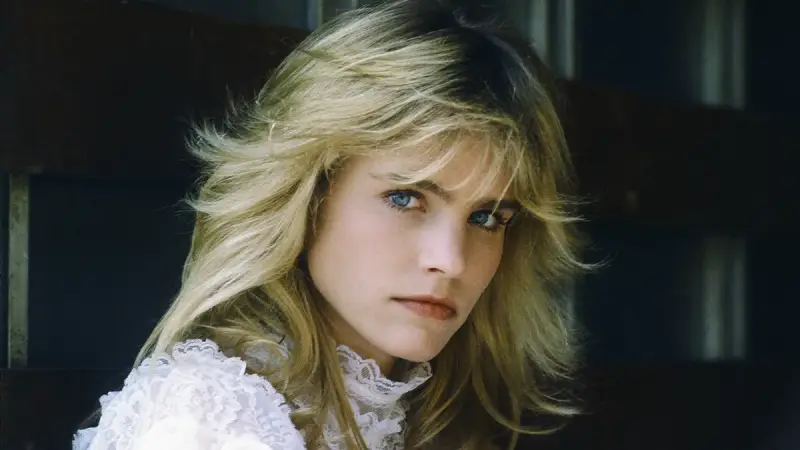
Jennifer Runyon
A Light on Screen and in Conversation
OnStage Feature Tribute
In an entertainment industry that often moves at a relentless pace, certain artists stand out not only for their work on screen but for the kindness and authenticity they bring to every conversation. Actress Jennifer Runyon has long been remembered by fans and colleagues alike as someone whose presence radiated warmth, sincerity, and an unmistakable spirit of joy.
Runyon first captured audiences’ attention in the 1980s, appearing in films and television projects that have since become part of the era’s cultural fabric. Whether portraying characters with humor, heart, or vulnerability, she possessed a natural ability to connect with viewers. Her performances felt genuine—never forced—and that authenticity made her work resonate.
Yet for many who have spoken with her directly, it was the woman behind the roles who left the deepest impression.
That was certainly the case during her appearance on the OnStage Podcast, hosted by journalist and broadcaster Christopher Robert. The conversation quickly moved beyond a traditional interview and became something far more personal and reflective.
Runyon spoke openly about her life in the industry, her experiences working in film and television, and the importance of remaining grounded in an often unpredictable profession. Her reflections revealed a thoughtful artist who approached both her career and her life with gratitude.
For Christopher Robert, the interview became one of those rare moments in broadcasting where the conversation feels effortless.
“She was simply wonderful to talk to,” he recalled afterward. “There was a warmth about her—an honesty and kindness that came through immediately. She made the entire conversation feel natural, like talking with an old friend.”
Listeners of the podcast noticed the same quality. Runyon’s voice carried a sense of sincerity that is difficult to manufacture and impossible to fake. She laughed easily, spoke thoughtfully, and shared stories that reminded audiences why people fall in love with storytelling in the first place.
Those moments revealed something important about her character: Jennifer Runyon was not defined solely by her roles—she was defined by her humanity.
In a world where celebrity can sometimes create distance, she remained approachable and genuine. She treated every conversation as an opportunity to connect, every interview as a chance to share gratitude with the people who had supported her work.
That spirit made her appearance on the OnStage Podcast memorable not only for its stories but for its atmosphere. It was a conversation filled with warmth, reflection, and laughter—a reminder of the joy that thoughtful dialogue can bring.
For many who encountered her, Jennifer Runyon represented something increasingly rare in public life: a quiet, sincere light.
She was the kind of guest every interviewer hopes for—engaged, thoughtful, and generous with her time. More importantly, she was the kind of person who made others feel seen and appreciated.
Her work will continue to be remembered by audiences who grew up watching her films and television appearances. But for those who spoke with her, worked with her, or had the privilege of interviewing her, the memory that endures most strongly is the one that cannot be scripted.
The memory of a woman who brought kindness, intelligence, and genuine warmth to every room she entered.
And in that sense, Jennifer Runyon’s legacy extends far beyond the screen.
She will be remembered not only for her performances, but for the light she brought to those who had the chance to know her—even if only for a conversation.
https://www.youtube.com/watch?v=dV-l2QkwHnM
WATCH HER FULL INTERVIEW HERE !
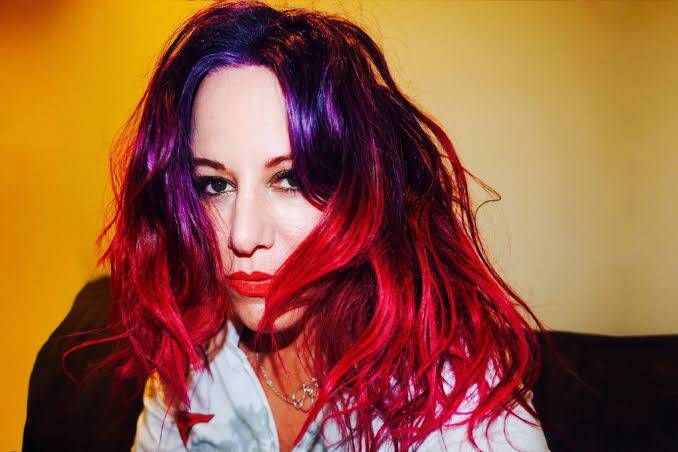
L7 bassist Jennifer Finch has been diagnosed with an aggressive form of brain cancer and is currently undergoing treatment.
Because of her condition, Jennifer will not be joining the Los Angeles punk band on their
Last Hurrah Tour
https://www.yahoo.com/entertainment/music/articles/l7-announce-north-american-dates-105345735.html
Across North America later this year. Even so, she has encouraged her bandmates to move forward with the tour while she focuses on her medical care.
In a statement, the band shared:
After multiple surgeries and serious complications, Jennifer now needs extensive medical care, rehabilitation, and professional in‑home support.
Friends, family, and L7 have launched a GoFundMe to help cover these urgent expenses and ensure she can remain safely at home with the care, dignity, and support she deserves.
The Last Hurrah Tour was planned with Jennifer when all four of us were in good health and spirits. Although she won’t be able to join us for the upcoming U.S. dates, she has asked us to continue as planned. We will honor her request while making her well‑being our top priority.
Please donate if you’re able — and just as importantly, please share the campaign widely. Every contribution, share, and message of support makes a difference.
Jennifer is family. We love her, and we want her to feel the full strength of the community that has supported her for so many years.”
WATCH ONSTAGE EPISODE 371 with Jennifer Finch
https://youtu.be/vCrYm2uQcL0?si=PQCLFKhSRl7tnT1-
To support Jennifer’s GoFundMe campaign, please consider donating or sharing the link.
https://www.gofundme.com/f/jennifer-finch-vs-brain-cancer-its-time-to-make-noise